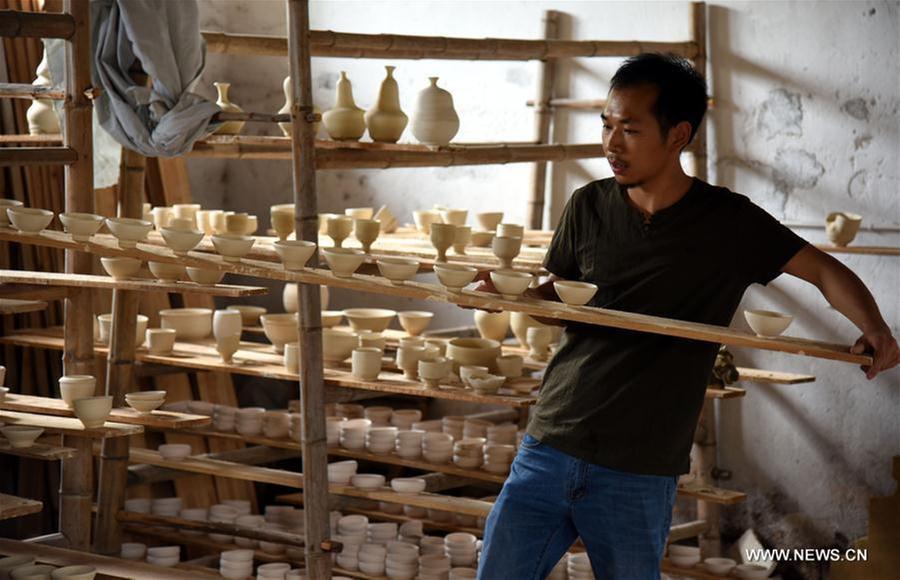
Baishe Kiln
Introduction
Baishe Kiln, located in Jiangxi province, China, is an important historical site known for its role in the production of ceramics. It was mainly active from the Five Dynasties (907-960) to the Northern Song Dynasty (960-1127), a period when the porcelain-making industry in China was booming, and many famous kilns emerged. During this time, Baishe Kiln developed and thrived, contributing significantly to the rich tradition of ceramic production in the region.
The Baishe Kiln was particularly renowned for its production of white porcelain. The white porcelain from this kiln was notable for its high firing level, with a thin body and a glaze that was pure, smooth, and exhibited a high degree of fineness and whiteness. In addition to white porcelain, Baishe Kiln also produced green-glazed porcelain. The green glaze had a unique color tone, influenced by local raw materials and firing techniques, adding to the diversity and appeal of its ceramic products.
These characteristics highlight the Baishe Kiln's contribution to the development and dissemination of porcelain-making techniques throughout China, as well as its role in the broader ceramic heritage of Jiangxi Province.
The decorative elements of Baishe porcelain often include intricate patterns and motifs inspired by nature, folklore, and traditional Chinese art. These designs are carefully crafted by skilled artisans, showcasing their expertise and creativity. The combination of technical precision and artistic expression makes Baishe porcelain highly valued by collectors and enthusiasts.
Efforts to revive the production of Baishe porcelain in Nanfeng County have focused on preserving these traditional techniques while incorporating modern innovations. Local artists and craftsmen are dedicated to maintaining the authenticity of Baishe porcelain, ensuring that its legacy continues to thrive in the contemporary world.








